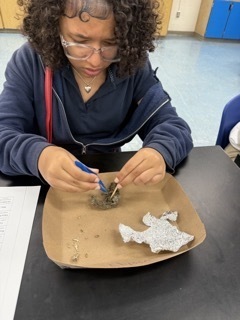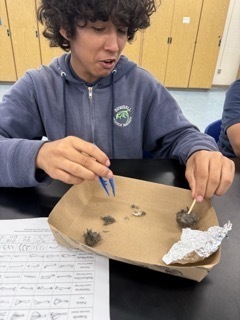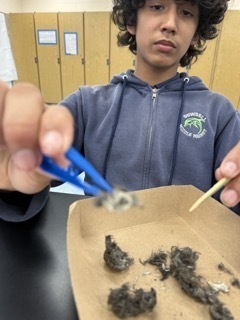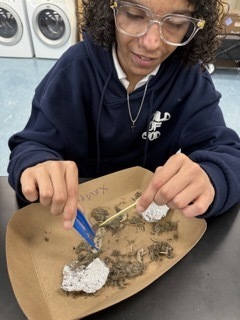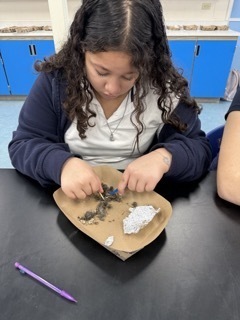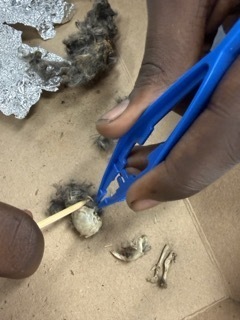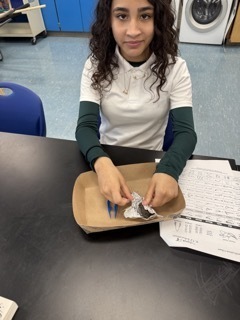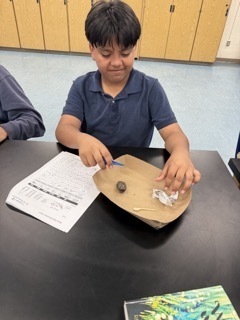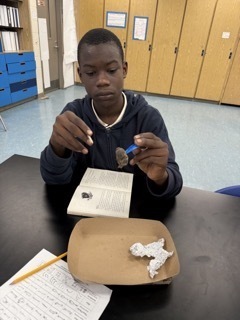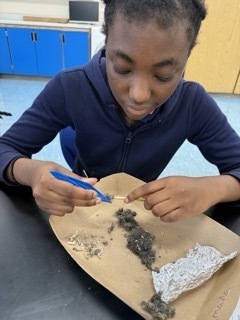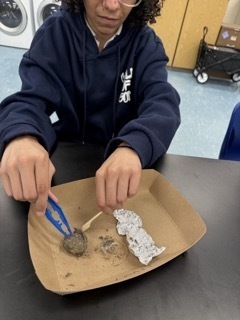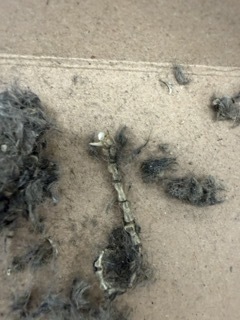
One of the most exciting ways students experience science in our classroom this week is through owl pellet dissections. This hands-on investigation allows students to step into the role of real scientists, examining evidence to better understand how animals survive in the wild.
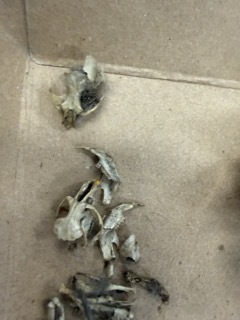
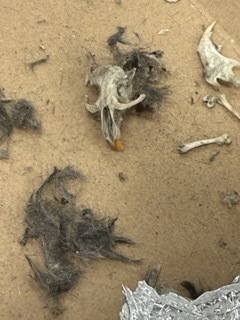
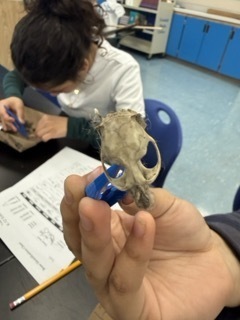
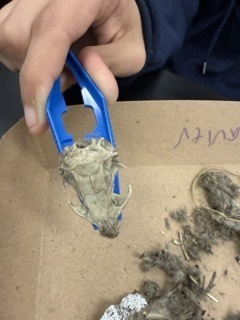
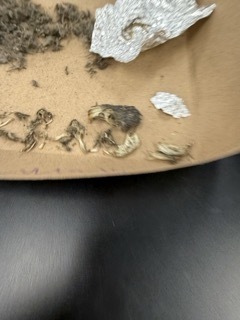
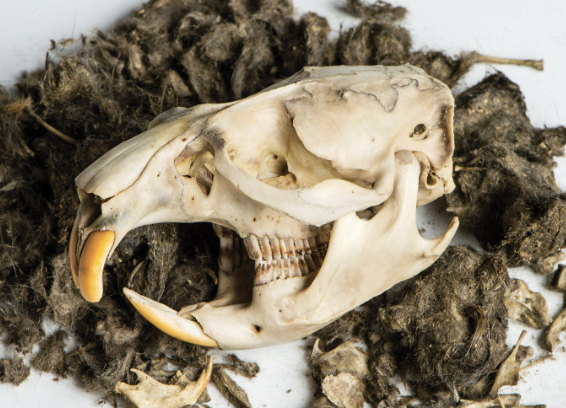
Owls swallow much of their prey whole, such as small animals like mice, voles, and shrews. While the soft tissues are digested, bones, fur, and other indigestible materials are compacted into a pellet that the owl later regurgitates. By carefully dissecting these pellets, students uncover tiny skulls, vertebrae, and other bones that reveal what the owl has eaten.
Through this activity, students are not simply following steps in a lab-they are investigating real ecological relationships. By identifying the bones they discover, students can reconstruct the owl’s diet and begin to understand the role owls play as predators in maintaining balance within an ecosystem.
Owl pellet investigations also help students practice important scientific skills. They learn how to make observations, collect and organize data, compare evidence, and draw conclusions based on what they find. For many students, it is their first opportunity to conduct a scientific investigation that feels both authentic and meaningful.
Most importantly, activities like this help bring science to life. When students hold the tiny bones of a mouse or identify a complete skull, ecosystems and food webs suddenly become real. Moments like these spark curiosity, deepen understanding, and remind students that science is not just something found in textbooks-it is something they can explore and discover for themselves.